1
Protective Intelligence & Threat Assessment
Agents learn how to:- Conduct pre-event risk analysis
- Evaluate venue vulnerabilities
- Identify threat indicators
- Build protective plans around intelligence findings

Colorado Firearms Training · Tactical · Law enforcement · Military
Close Protection Skills for High-Stakes Security Professionals
Executive protection is not security theater. It is disciplined risk mitigation, real-time decision-making, and proactive threat management.
An Executive Protection Training Academy prepares professionals to protect corporate leaders, public officials, high-net-worth individuals, and critical personnel operating in complex environments. The difference between a trained executive protection agent and an untrained bodyguard is not physical size, it is preparation, judgment, and operational structure.
Pilum Tactical’s training philosophy is rooted in professional standards, scenario-based application, and legal accountability. We do not train to minimum standards. We train for competence.

Executive protection (EP) is the practice of safeguarding individuals exposed to elevated risk due to position, wealth, political status, or public visibility.
Unlike static security roles, EP agents must:Colorado Firearms Training · Tactical · Law Enforcement · Military
A professional Executive Protection Training Academy must develop both tactical capability and professional judgment.
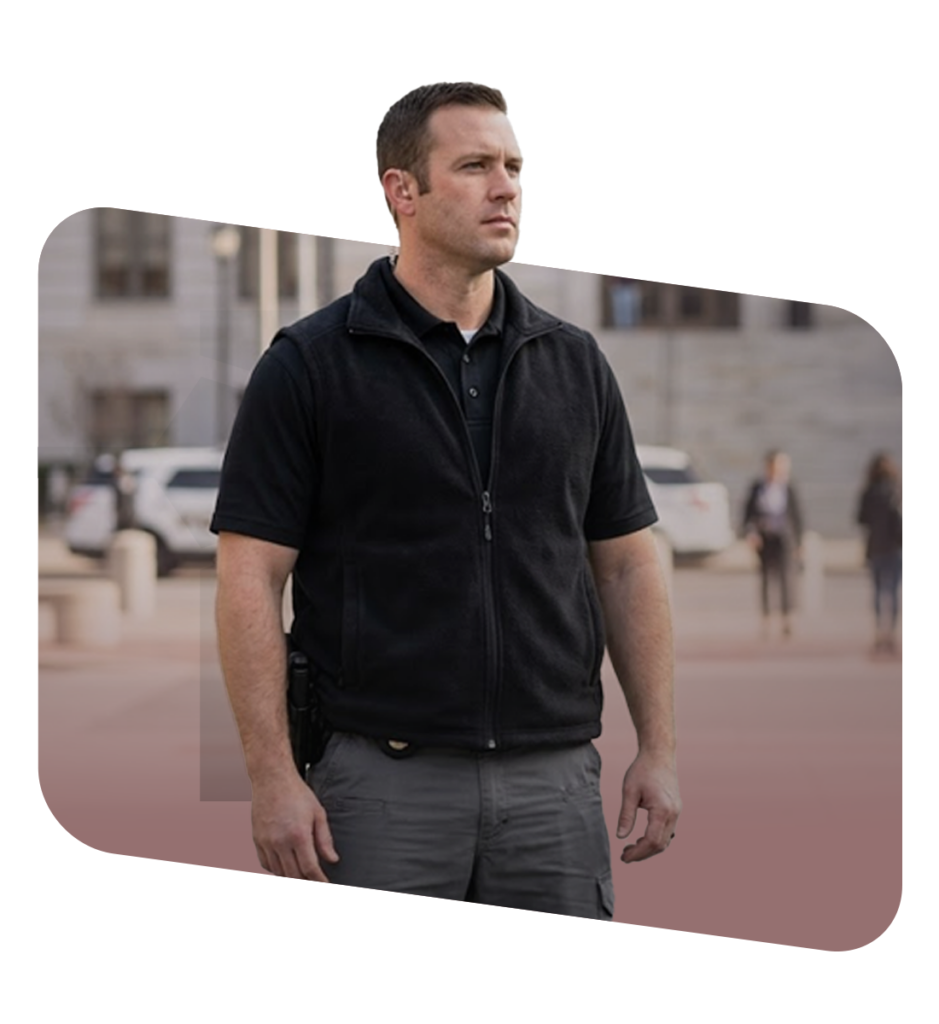
Legal frameworks, operational planning, intelligence analysis.
Walkthrough drills, principal movement simulations, decision-making under stress.
Firearms training integrated responsibly — not ego-driven marksmanship.
Stress-based scenario validation
Municipal compliance such as Denver guard certification requirements
You do not need a military background — but you do need professional discipline.


Graduates may pursue:
Executive protection is a career, not a weekend course.
No prior EP experience is required for entry-level enrollment. Prior firearms experience is strongly recommended. All participants must meet safety prerequisites before live-fire and force-on-force components.
No, but physical capability and professional mindset are required.
Programs vary from intensive 1-week academies to multi-phase training pathways.
Depends on assignment type and licensing requirements.
Yes, structured programs align with municipal and state compliance standards.
We use cookies to improve your experience on our site. By using our site, you consent to cookies.
Manage your cookie preferences below:
Essential cookies enable basic functions and are necessary for the proper function of the website.